

As for it comes to home renovations and remodeling in the Omaha area, numerous property owners overlook an incredible opportunity that can entirely transform their areas: epoxy flooring. This flexible and sturdy flooring option is more than a practical choice for garages and industrial settings; it also brings a elegant and modern aesthetic to residential areas. If you're seeking to update your garage, improve your basement, or possibly enhance a commercial space, epoxy flooring offers a range of benefits that make it an ideal pick for all project.
Imagine walking into a newly renovated garage with a stunning metallic epoxy finish or an simple-to-maintain surface that can tolerate the heavy use of daily life. With options like moisture-resistant floor coating and non-slip floor coating, epoxy flooring provides security and functionality without compromising on style. In this guide, we will explore why epoxy flooring is Omaha's hidden gem, focusing on its benefits, installation process, and how it can cater to the distinct needs of both home and business spaces. Get ready to uncover how epoxy flooring can elevate your house or business to new heights.
Benefits of Epoxy Flooring
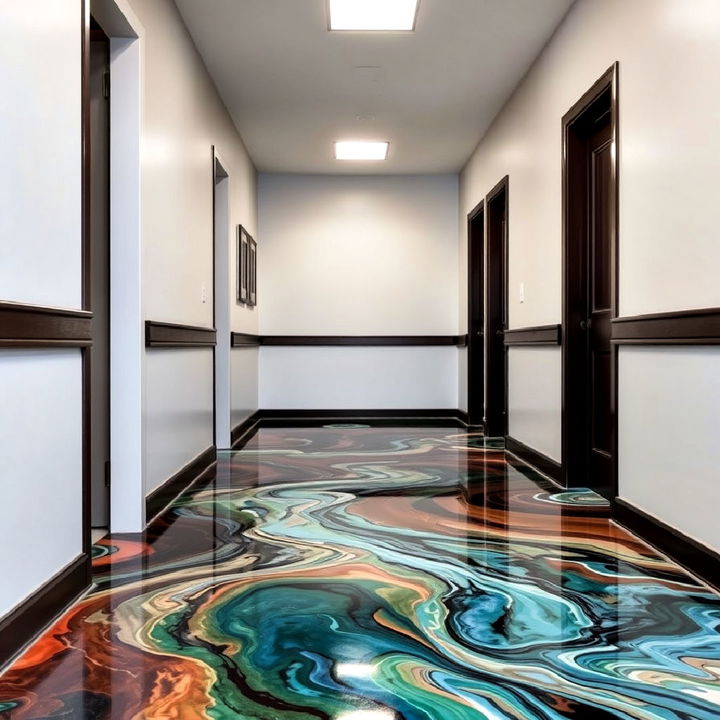
Epoxy flooring offers a high level of resilience, making it a great choice for many environments, including basements, storage facilities, and commercial spaces. This commercial floor coating is designed to withstand frequent use, hits, and abrasions, ensuring that your floors continue in excellent condition for years. Additionally, when it comes to care, an epoxy floor is easy to maintain, allowing you to preserve its appearance with no effort.
Another significant advantage of epoxy flooring is its visual appeal. With options like 3D epoxy surfaces and metallic epoxy garage floor finishes, you can improve the visual appeal of your space dramatically. Warehouse floor coating, allows homeowners and business owners alike to select styles that reflect their personal taste or brand identity. Whether you need a polished showroom floor or a welcoming ambiance for a restaurant kitchen, epoxy flooring can be tailored to fulfill your particular requirements.
Safety is also a key consideration with epoxy flooring. A non-slip floor coating can be added to minimize the risk of falls and slips, making it suitable for homes and work environments like auto shops and restaurants. Furthermore, epoxy provides resistance to chemicals, making it an superb choice for environments prone to leaks and damage. With a moisture-proof floor coating, you can safeguard your surfaces from water damage, prolonging the life of your floors and boosting their overall performance.
Types of Epoxy Flooring
Epoxy flooring is offered in several varieties, each engineered to satisfy particular requirements and tastes. A commonly chosen choice is metallic-coated epoxy, which delivers a stunning, high-gloss finish that generates a visually appealing aesthetic. How long does epoxy floor last, is frequently used in domestic homes or showrooms to enhance aesthetics while ensuring long-lasting quality. This type of epoxy can also be customized with multiple hues and patterns, allowing homeowners and business owners to reflect their style.
A different popular kind is commercial epoxy flooring, that is manufactured to resist substantial foot traffic and combat chemicals. This type of flooring is suitable for commercial establishments like eateries and auto shops, in which spills and marks are likely. With its low-maintenance area and resistance to wear, commercial epoxy flooring assists sustain a tidy appearance while minimizing upkeep expenses.
For outdoor areas or areas prone to water exposure, a moisture-resistant floor coating provides the necessary protection. Epoxy for garage floors, for instance, provides superior waterproofing and slip resistance, which makes it perfect for residential garage makeovers. This type of epoxy not only improves the appearance of a carport but also promises security and longevity against the challenges of oils, chemical exposure, and water exposure.
Epoxy Flooring Installation
The installation of epoxy floor coating involves multiple key phases to ensure a durable and attractive finish. First, the substrate must be carefully prepared. This includes cleaning, fixing any fissures or imperfections, and sometimes sanding the concrete to create a rough surface that helps the epoxy stick better. Proper preparation is crucial as it sets the groundwork for a long-lasting epoxy floor coating.
Once the surface is prepared, the epoxy floor installation starts. The epoxy resin is mixed with hardener and spread to the surface. Depending on the desired look and purpose, different options such as metallic flooring, 3D epoxy flooring, or slip-resistant additives can be incorporated during this phase. It is important to work swiftly since epoxy has a short pot life, and the application must be done smoothly to avoid air pockets and flaws.
After the epoxy has been applied, it needs time to cure effectively. This curing process can take anywhere from a few days to a week, depending on the specific product used and the conditions in the area. During this period, it is crucial to keep the area free of foot traffic to ensure a flawless finish. Once cured, the epoxy flooring will be ready for use, presenting a beautiful and practical surface that is easy to maintain and look after.
Cost and Upkeep
When assessing epoxy flooring, one of the most important factors to consider is the cost of installation. The cost can vary based on the variety of epoxy floor coating selected, the intricacy of the project, and the area being completed. For illustration, garage floor epoxy might be more cost-effective than commercial epoxy flooring due to distinctions in scale and specifications. To get an accurate quote, asking for an epoxy floor installation quote will provide clarity on your specific needs and budget.
Maintenance of epoxy floors is fairly straightforward, making them an excellent choice for both residential and commercial spaces. With their simple-to-maintain surfaces, spills and stains can be wiped away with minimal effort, ensuring that your flooring remains spotless over time. Additionally, the moisture-resistant floor coating feature of epoxy flooring protects against moisture damage, further reducing maintenance concerns, especially in areas like basements and garages.
One more attractive aspect of epoxy flooring is its durability. Depending on the exact type of epoxy, such as metallic epoxy garage floor or industrial floor coating, these surfaces can last many years with proper care. Typical lifespan ranges between five to ten years, but some formulations might go beyond this with the appropriate maintenance. Understanding the lifespan of your selected system will help you organize for future renovations and ensure you take benefit of any epoxy flooring special offers offered when it’s time for an enhancement.
Contrasting Epoxy to Alternatives
When considering flooring options, it's crucial to consider the benefits of epoxy in comparison to its alternatives. Conventional flooring materials like vinyl, tile, and carpet have been widely used for residential and commercial spaces. Yet, these materials often require more maintenance and can experience issues like staining, water damage, and wear over time. In contrast, epoxy flooring offers unparalleled durability, making it an ideal investment for high-traffic areas.
One more common alternative is polyurethane flooring. While polyurethane can offer a flexible surface and is suitable for some applications, it typically lacks the chemical resistance that epoxy provides. For environments like auto shops, kitchens, and industrial settings, where spills and harsh chemicals are a concern, epoxy's waterproof and chemical-resistant properties make it a significantly superior choice. Additionally, epoxy flooring tends to be easier to clean, maintaining its aesthetic appeal with minimal effort.
Ultimately, when comparing epoxy to concrete stains or sealers, the difference is clear. Concrete stains typically provide limited protection and can require frequent reapplication. Epoxy floor coatings, on the other hand, bond with the concrete, forming a durable barrier that stands up to wear and tear. For those looking for a durable, high-performing flooring solution, epoxy is the clear winner, providing not only style but also functionality for any space, from garages to commercial facilities.